Switch household salt to low‑sodium (potassium‑rich) salt
In rural China, a study followed people who had previously had a stroke or who were aged 60 and above with hypertension for nearly five years. Replacing household salt with a low-sodium substitute was associated with about 12% lower mortality and about 14% fewer strokes.
One bag costs a few yuan more than regular salt. It’s easy…
A randomized trial conducted in rural China enrolled 20,995 participants — all stroke survivors or adults aged…
One bag costs a few yuan more than regular salt. It’s easy to switch when you shop, adding virtually no extra time. The taste stays almost the same.
A randomized trial conducted in rural China enrolled 20,995 participants — all stroke survivors or adults aged 60+ with hypertension — and followed them for 4.74 years. Those using low‑sodium salt had a 12% lower risk of death (RR 0.88), a 14% lower risk of stroke (RR 0.86), and a 13% lower risk of major cardiovascular events (RR 0.87) compared with the regular‑salt group. No statistically significant difference emerged between the groups regarding episodes of excessively high blood potassium levels.
Neal B 等 (2021). Effect of Salt Substitution on Cardiovascular Events and Death. NEJM. https://doi.org/10.1056/NEJMoa2105675;O'Donnell M 等 (2014). Urinary sodium and potassium excretion, mortality, and cardiovascular events. NEJM. https://doi.org/10.1056/NEJMoa1311889(争议方 PURE)
Open source linkThis finding is somewhat controversial. The PURE study only recorded long‑term outcomes without random assignment; it reported that individuals excreting less than 3 g of sodium per day faced a roughly 27% higher risk of death or cardiovascular events, while those excreting more than 7 g per day faced a 15% higher risk. According to PURE, both very low and very high sodium intake are detrimental, with moderate intake being optimal. However, the Chinese rural trial only partially replaced regular salt with low‑sodium salt, so sodium levels did not drop to the extremes examined in PURE. Moreover, the trial involved only high‑risk elderly participants; younger, healthier individuals would likely gain far less benefit. People with impaired kidney function or those taking potassium‑sparing medications should consult a physician before making this switch.
Related products
All productsA few useful picks for this situation.
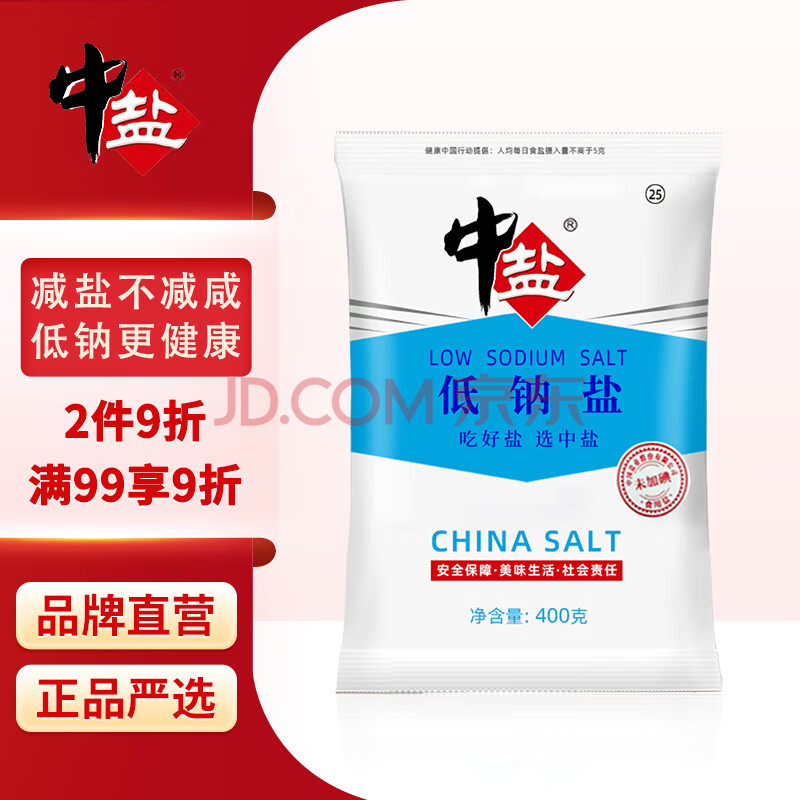
China Salt low-sodium salt · non-iodized
For everyday cooking with less sodium and no added iodine.
Shop on JD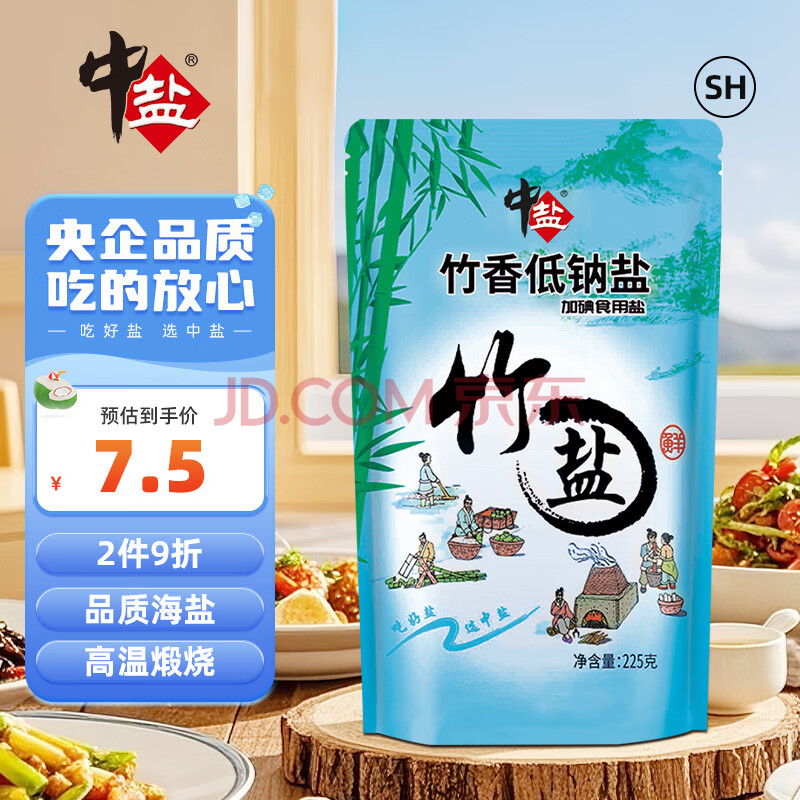
China Salt low-sodium salt · iodized
For everyday cooking with less sodium; a small pack to try.
Shop on JDSee JD for current prices and stock. Buying through these links helps support ongoing updates and improvements to this site.