
01
Home & travel
Seat belts, helmets, home precautions and travel preparation: small steps to consider before trouble starts.
Read this topicIs that discount saving money, or encouraging spending? Does familiarity mean you learned it? Test your judgement in everyday situations.
How many everyday pitfalls can you spot? Try 20 random scenarios from a bank of 60 and share your results.
No login needed. Progress stays in this browser; sharing includes only your score and topic totals, never your individual answers.
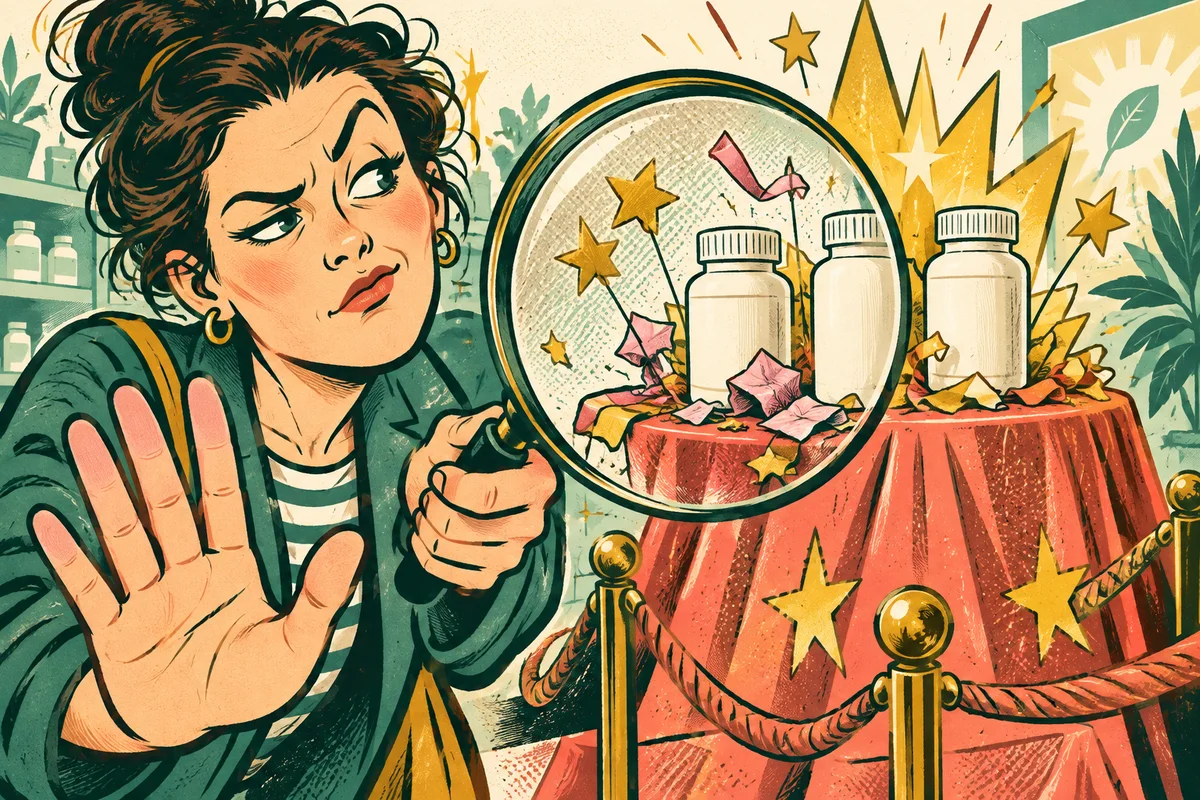
The Pitfall Check turns advice from How to Live Better into everyday decisions. How would you handle an unexpected sign-in prompt, a prepaid membership or a plan that never gets started? Use familiar situations to check the reasoning behind your choices.
Use it to review what you have read, spot gaps in practical knowledge or start a conversation with friends. Each question has one best answer for the situation described, with an explanation and a link to the relevant book entry.
Each theme has 12 questions. Every round draws four from each theme so you can see which areas deserve more attention.
Seat belts, helmets, home precautions and travel preparation: small steps to consider before trouble starts.
Read this topic
Subscriptions, prepaid memberships, price anchors and livestream shopping: check the conditions before committing.
Read this topic
Two-factor authentication, reused passwords, signed-in devices and permissions: question convenience that creates risk.
Read this topic
Notifications, sunk costs, action plans and meetings: protect your attention and make plans easier to follow.
Read this topic
Retrieval practice, spaced review, course promises and qualifications: distinguish activity from learning.
Read this topicThis example comes from the question bank. Pick an answer in your head, then reveal the explanation. Your actual round is drawn separately.
Only approve sign-ins you initiated and recognize. Extra authentication still needs your attention.
Read the source entryThere are 20 questions worth five points each, with no penalty for a wrong answer. The maximum is 100. Your result also shows correct answers in each of the five themes to guide further reading.
Most choices were sound. Revisit the conditions behind any missed answers.
A solid base. Start with the theme where you missed the most questions.
Some familiar traps remain. Compare your reasoning with the explanations.
Pick one missed scenario and understand its advice before putting it into practice.
This score describes one set of answers. It is not a certification or a prediction of your likelihood of being harmed or scammed. Different rounds contain different questions, so scores are not a reliable ranking.
Start free without an account. Each round draws 20 single-choice questions from a bank of 60 and shuffles both questions and options.
Submit after answering every question. Review your total, theme breakdown, choices and correct answers. Progress is saved in this browser when storage is available.
Follow a missed answer to the book, add relevant advice to your checklist or pick a small action from Daily Tasks.
Review mistakes before sharing the score. Your card includes the score, theme results and a QR code so friends can see the result and try their own round. The link contains only theme totals, not individual answers.
You can answer questions, read explanations, save the result image and copy a share link for free without signing in.
The bank contains 60 questions across five themes, with 12 per theme. Each round draws four per theme for 20 unique questions, then shuffles questions and options. Later rounds may repeat questions from earlier rounds.
After submission, missed questions open with your choice, the correct answer, an explanation and a link to the book. Correctly answered questions can also be expanded.
The current round is saved in this browser. Clearing site data, changing devices or blocking storage may remove progress. Starting again replaces the current round.
Save the QR result card or copy its link. English pages offer X, Reddit, Facebook, WhatsApp, Instagram and TikTok; Chinese pages offer local platforms. Some platforms require you to paste the link or upload the image yourself.
Questions are adapted from How to Live Better, and explanations link to the relevant entry. This is a learning exercise, not a professional assessment. Check the source conditions, your circumstances and applicable local rules.
Start a free Pitfall Check and leave with a score and a clearer next step.